Folk music, a term that resonates deeply across cultures and continents, serves as a profound manifestation of human emotion, history, and community identity. Whether it’s the soulful strains of a Celtic ballad, the lively rhythms of an African drum circle, or the melancholic melodies of an Indian raga, folk music captures the essence of human experience in its most raw and unfiltered form.
Table of Contents
Folk Music
Origins and Definition
Folk music, at its core, is the music of the people. The term “folk” originally comes from the German word “volk,” meaning people. Historically, it has been the musical expression of common folk, often passed down orally through generations. Unlike classical music, which is typically structured and performed by professionals, folk music emanates from the everyday experiences and lives of ordinary people.
However, defining folk music isn’t simple. It isn’t defined by any particular musical feature, but rather its function, context, and transmission. Broadly speaking, folk music:
- Reflects a community’s history, traditions, and struggles.
- Is often transmitted orally, leading to multiple variations of the same piece.
- Evolves over time, adapting to changing cultural and societal contexts.
Characteristics
1. Oral Tradition: Most folk songs were not written down until the advent of modern recording technology. They were learned by heart and passed from generation to generation, leading to a dynamic evolution of the tunes and lyrics.
2. Storytelling: Folk songs often tell stories. These stories may revolve around historical events, legends, love tales, or even daily life. They are chronicles of a community’s collective memory.
3. Simplicity: Folk songs tend to be simple in melody and rhythm, making them easy to remember and share.
4. Repetition: Repetition is a key feature, both in lyrics and melody, aiding in the song’s transmission and memorability.
5. Acoustic Instruments: Folk music usually employs traditional instruments like the guitar, fiddle, banjo, and harmonica, though this varies by region.

Folk Music Around the World
1. Europe
Folk music in Europe boasts an extensive and rich tradition, reflecting the continent’s diverse cultures, languages, and histories. Below are some examples of the varied folk music traditions found across different European countries:
Ireland and the United Kingdom:
- Irish Folk Music: Known for its lively jigs and reels, Irish folk often features instruments like the fiddle, tin whistle, and uilleann pipes. Notable artists include The Chieftains and The Dubliners.
- English Folk Music: English folk showcases both ballads and dance tunes, often utilizing the violin, accordion, and guitar. Famous musicians include Martin Carthy and Fairport Convention.
- Scottish Folk Music: Scotland has a distinctive folk tradition with unique instruments like the bagpipes. Artists like Ewan MacColl and Dick Gaughan have contributed significantly to this genre.
France:
- Chanson Française: Though not exactly folk music, this genre includes traditional French songs, often with deep and poetic lyrics.
- Breton Folk: From the Brittany region, this folk music includes both dance tunes and ballads, often featuring the Celtic harp and the bombarde (a type of woodwind).
Spain:
- Flamenco: Originating from the Andalusian region, Flamenco incorporates singing (cante), guitar playing (toque), dance (baile), and clapping (palmas).
- Jota: A genre of music and dance prevalent in the Aragon region, Jota is typically accompanied by instruments like the guitar, castanets, and tambourines.
Italy:
- Tarantella: A group of various folk dances characterized by a fast upbeat tempo, usually in 6/8 time. The music is often accompanied by tambourines.
- Canzone Napoletana: Traditional songs from Naples, which have become symbols of Italian music worldwide.
Scandinavian Countries (Sweden, Norway, Denmark, Finland, Iceland):
- Nordic Folk Music: Each country has a distinct folk music tradition, but they often share common elements like the use of fiddles and nyckelharpa (a keyed string instrument). Artists like Vasen and Garmarna are notable.
Eastern Europe (Russia, Poland, Hungary, etc.):
- Balalaika Music (Russia): The balalaika is a Russian stringed musical instrument known for its triangular body.
- Klezmer (Jewish Eastern European): A musical tradition of the Ashkenazi Jews of Eastern Europe, Klezmer is played by professional musicians at celebratory events like weddings.
- Romani Music: The Romani people have contributed significantly to the folk music of Eastern Europe, often characterized by complex rhythms and improvisation.
Balkans (Greece, Serbia, Bulgaria, etc.):
- Rebetiko (Greece): Often referred to as the “Greek blues,” rebetiko emerged in the early 20th century, combining Greek folk music with Middle Eastern influences.
- Sevdalinka (Bosnia and Herzegovina): These are traditional love songs known for their melancholic tones and poetic lyrics.
Portugal:
- Fado: A genre characterized by mournful tunes and lyrics, often about the sea or the life of the poor. Amália Rodrigues is one of the most celebrated Fado singers.
These are just a few examples, and each region and country in Europe has its own unique and rich folk music traditions, reflecting their particular histories, languages, and cultures. The folk music landscape is therefore incredibly diverse, with each tradition offering something special and distinctive.
2. North America
The US and Canada have a myriad of folk traditions. From the Appalachian ballads and blues of the deep south to the Franco-Canadian songs of Quebec, there’s a diverse tapestry of sound. Icons like Woody Guthrie, Pete Seeger, and Joni Mitchell played pivotal roles in the evolution of American folk.
3. Asia
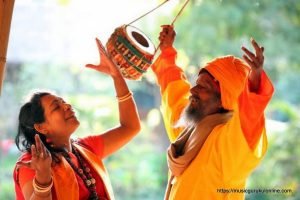
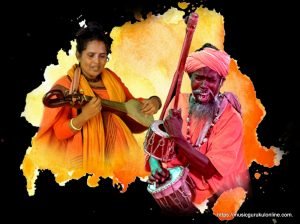
India: The Indian subcontinent boasts a plethora of folk traditions, from the Bhangra of Punjab to the Dandiya of Gujarat. Each region, defined by its language and culture, has its distinct musical flavor.
China: With its vast cultural expanse, China’s folk music is diversified, from the Han folk ballads to the unique sounds of Tibetan and Uighur traditions.
4. Africa
The cradle of humanity, Africa’s folk traditions are rhythm-centric, characterized by drumming and dancing. From the Griots of West Africa, who serve as oral historians through song, to the polyphonic singing of the Baka Pygmies, the continent resonates with rich musical traditions.
The Folk Revival Movement
The 20th century saw a revival in interest in folk music, especially in the US and UK. This movement had multiple triggers:
1. Urbanization: As societies moved from rural to urban settings, there was a yearning for the simplicity and authenticity of rural life. Folk music, representing that life, found new admirers.
2. Political Activism: Folk music became the voice of political and social movements. Songs addressed issues like civil rights, peace, and labor rights.
3. Festivals and Recordings: Events like the Newport Folk Festival and labels like Folkways Records popularized folk music and brought it to new audiences.
Artists like Bob Dylan, Joan Baez, and Phil Ochs became the faces of this revival, merging traditional folk with contemporary concerns.
Contemporary Folk and Its Evolution
In the latter half of the 20th century and into the 21st, folk has continuously evolved, blending with genres like rock, pop, and electronica. Folk-rock, indie-folk, and folktronica are some of the sub-genres that have emerged.
Artists like Iron & Wine, Fleet Foxes, and Sufjan Stevens have brought a new dimension to folk, making it relevant to the digital age.
Folk music, in its myriad forms, remains a testament to humanity’s need to express, narrate, and connect. It’s a bridge to our past, a reflection of our present, and, as it evolves, an insight into our future. As long as there are stories to be told and emotions to be expressed, folk music will continue to resonate, serving as the heartbeat of cultures worldwide.
See more: